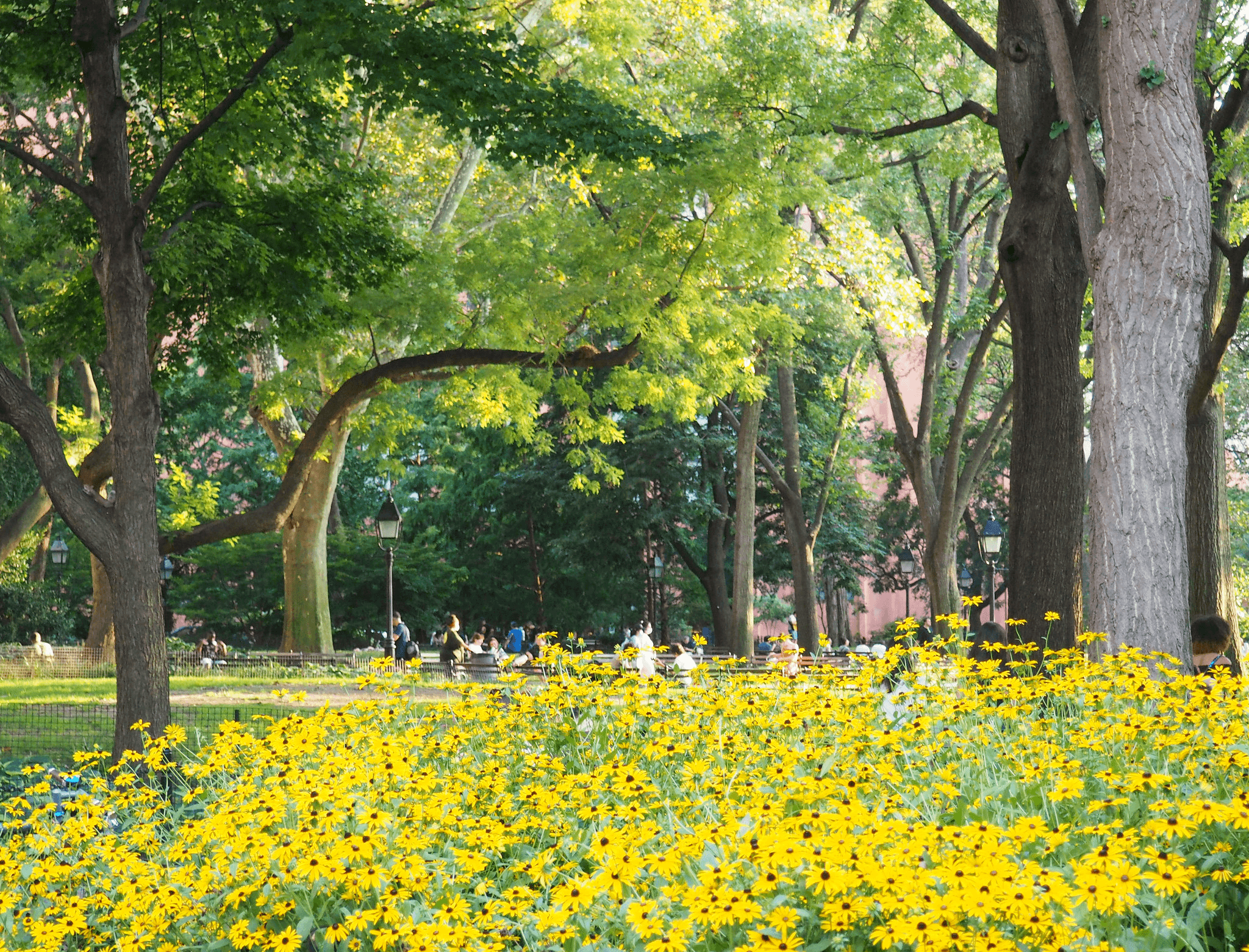
Horticulture
Washington Square Park is a living landscape at the heart of Greenwich Village, where gardens, lawns, trees, and seasonal plantings bring beauty, shade, habitat, and respite to millions of visitors each year. We recognize that this park is part of Lenapehoking, the ancestral homeland of the Lenape people, and we honor their enduring relationship to this land by approaching stewardship as a living responsibility: to care for this place thoughtfully, sustainably, and with future generations in mind.
As one of Lower Manhattan’s most heavily used public spaces, the park’s horticulture requires constant attention and long-term care. The Washington Square Park Conservancy funds NYC Parks gardeners stationed in the park, along with the equipment and supplies they rely on to maintain this complex urban ecosystem. With one full-time Horticulture Coordinator and one seasonal gardener, supported by seasonal horticulture contractors, the team works year-round to restore lawns and garden beds impacted by heavy foot traffic, protect vulnerable plantings, and cultivate a more resilient landscape through climate-adapted and native plants. Their work helps ensure that Washington Square Park remains lush, vibrant, and ecologically thriving for people, pollinators, and wildlife alike.
Landscape Guide
Bulbs
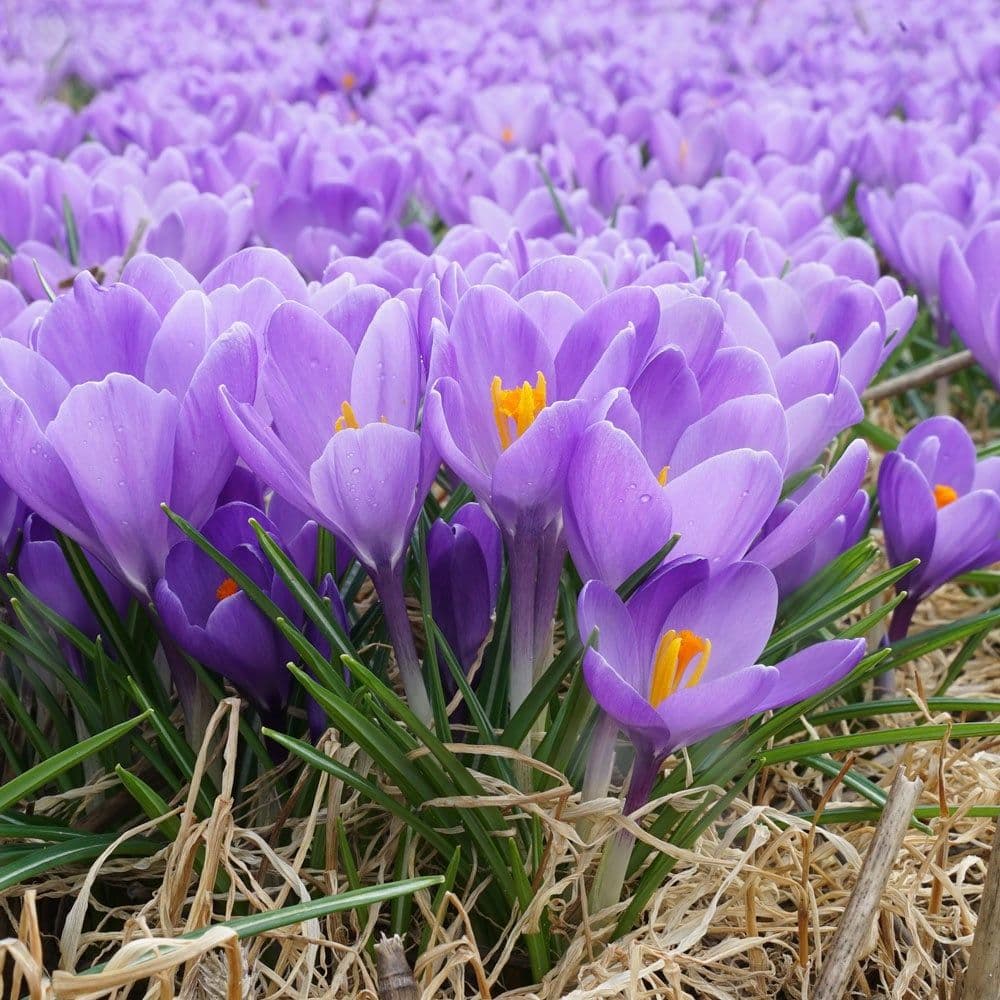
Crocus spp. — crocus
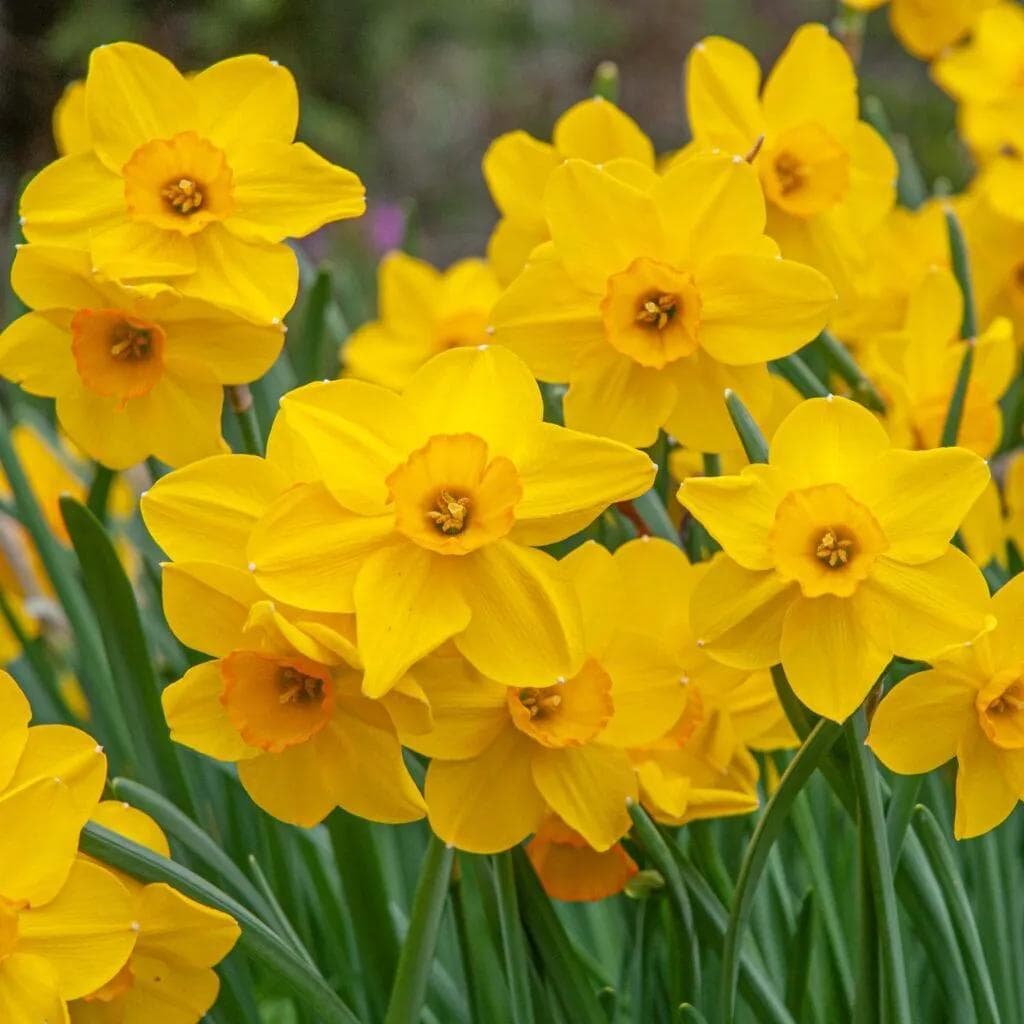
Narcissus spp. — daffodil
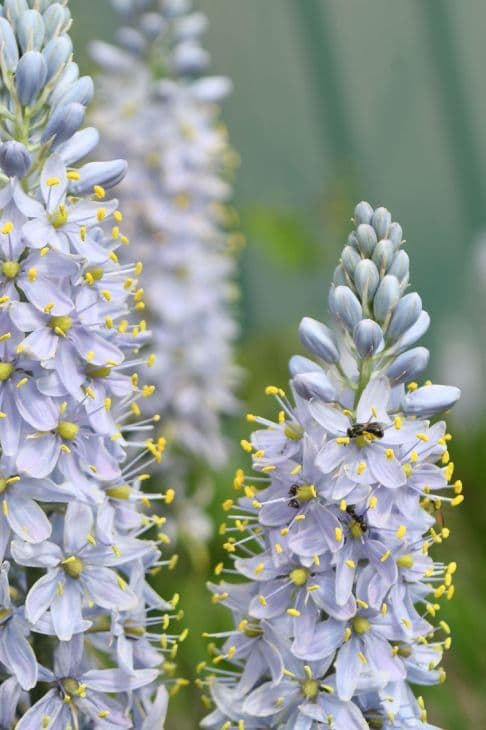
Camassia spp. — camassia / camas
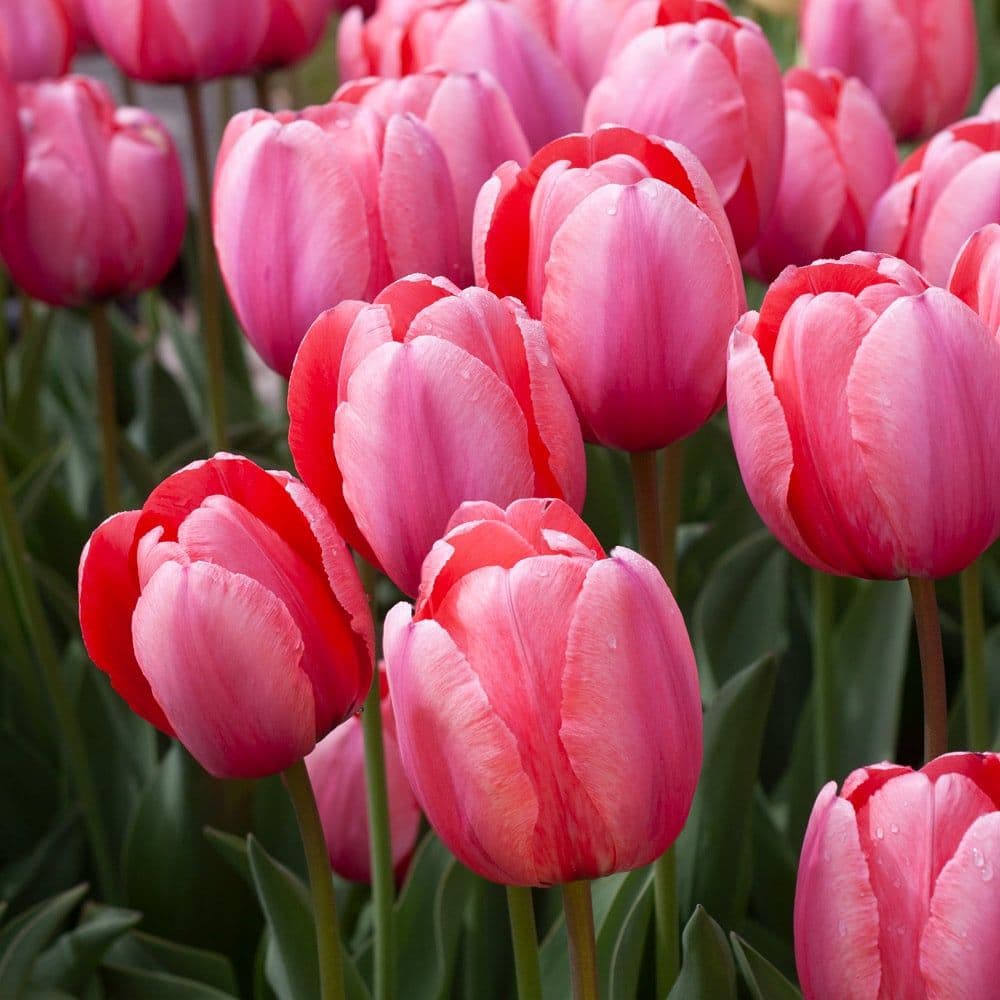
Tulipa spp. — tulip
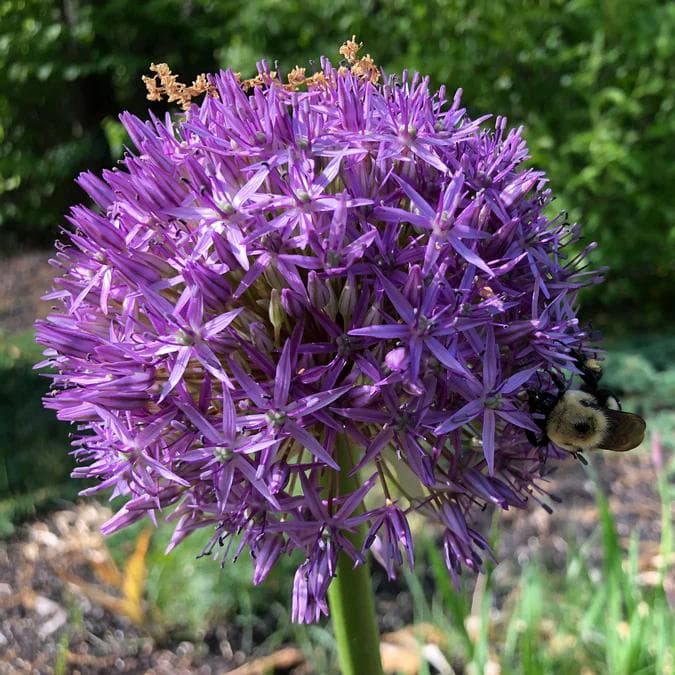
Allium spp. — ornamental onion / allium
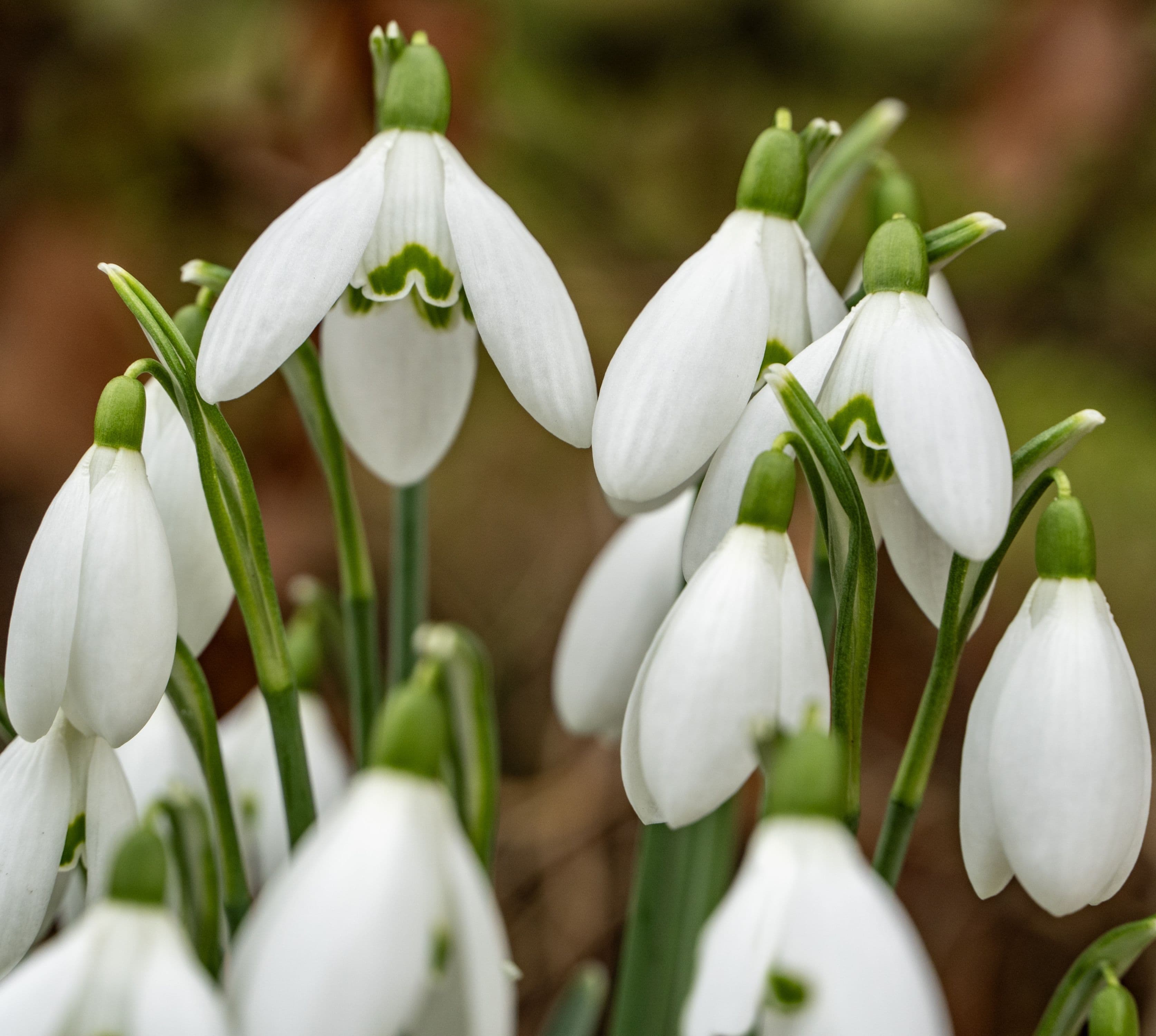
Galanthus spp. — snowdrop
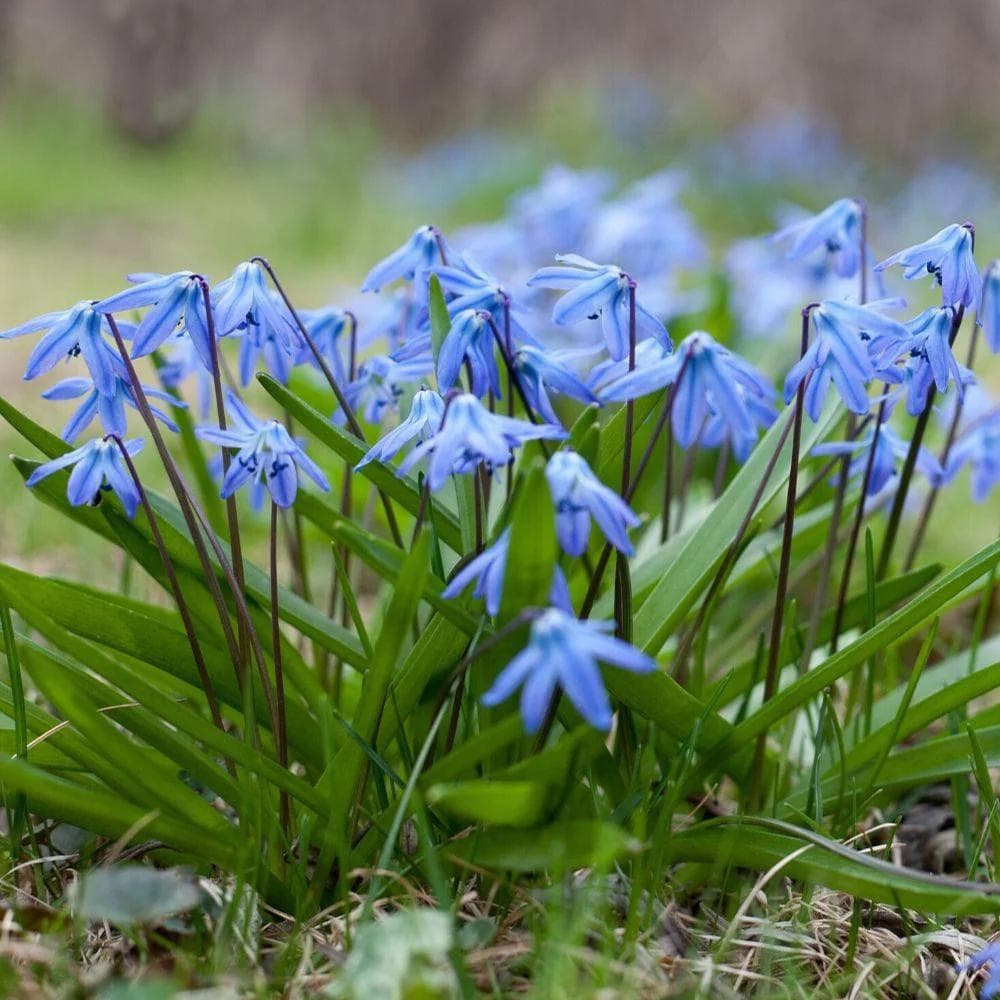
Scilla spp. — squill
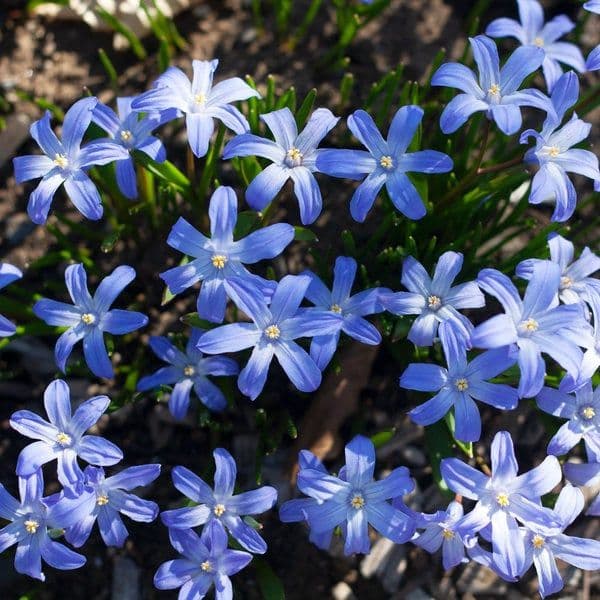
Chionodoxa spp. — glory-of-the-snow
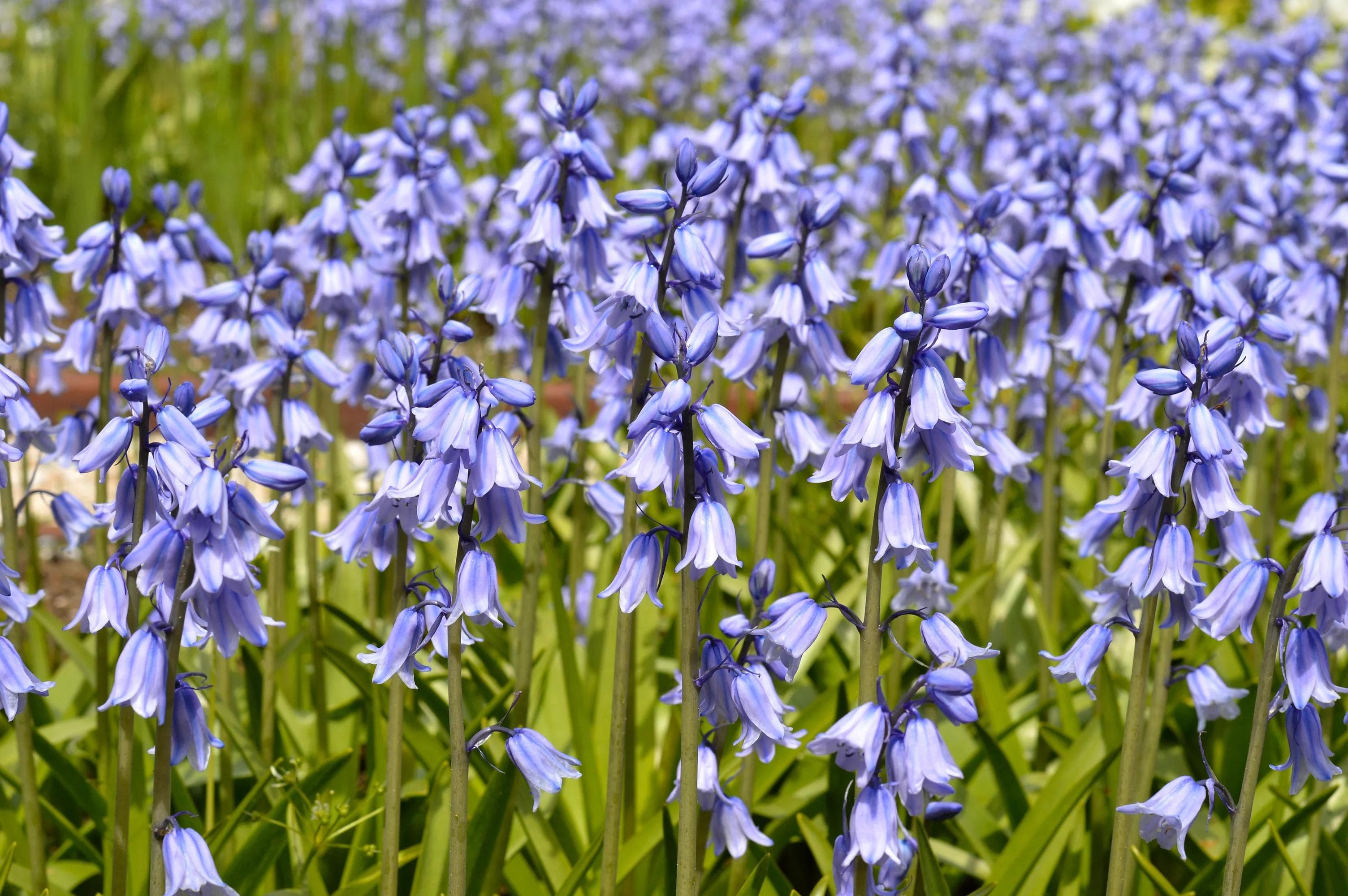
Hyacinthoides spp. — Spanish bluebells
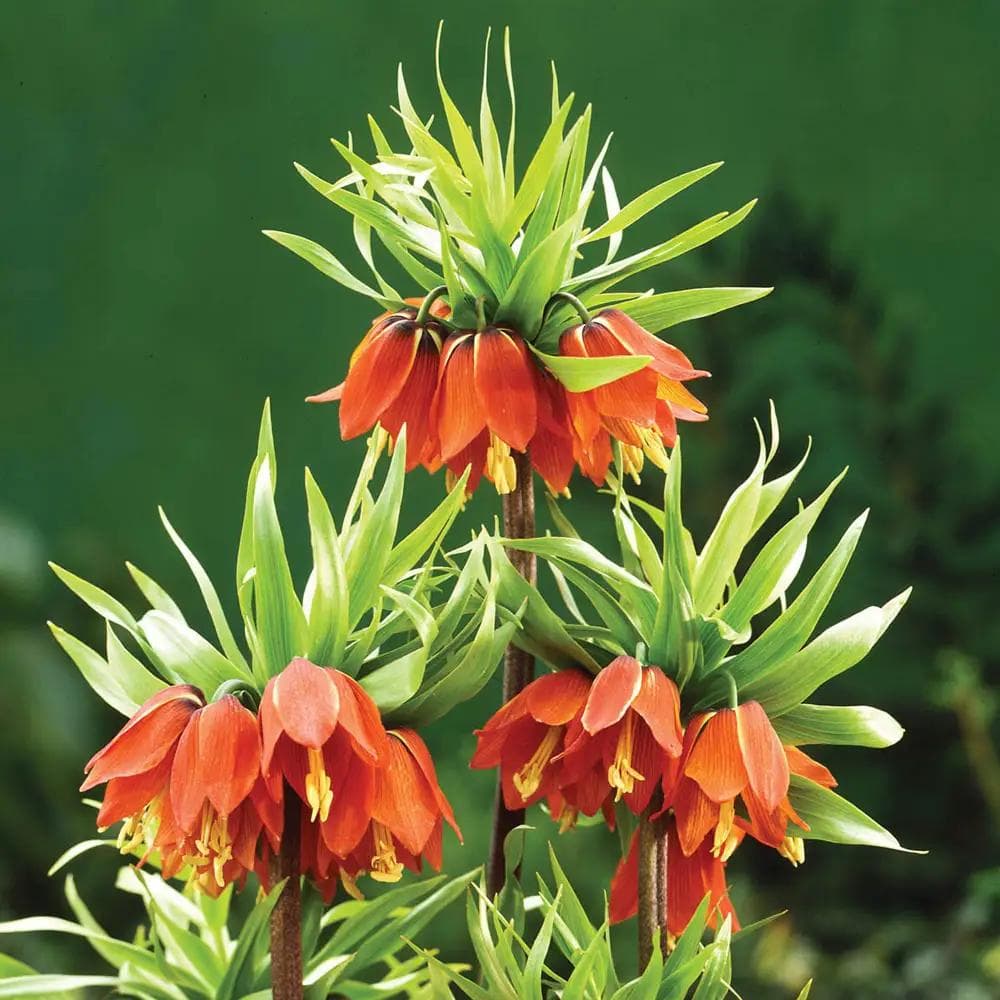
Fritillaria spp. — fritillaria
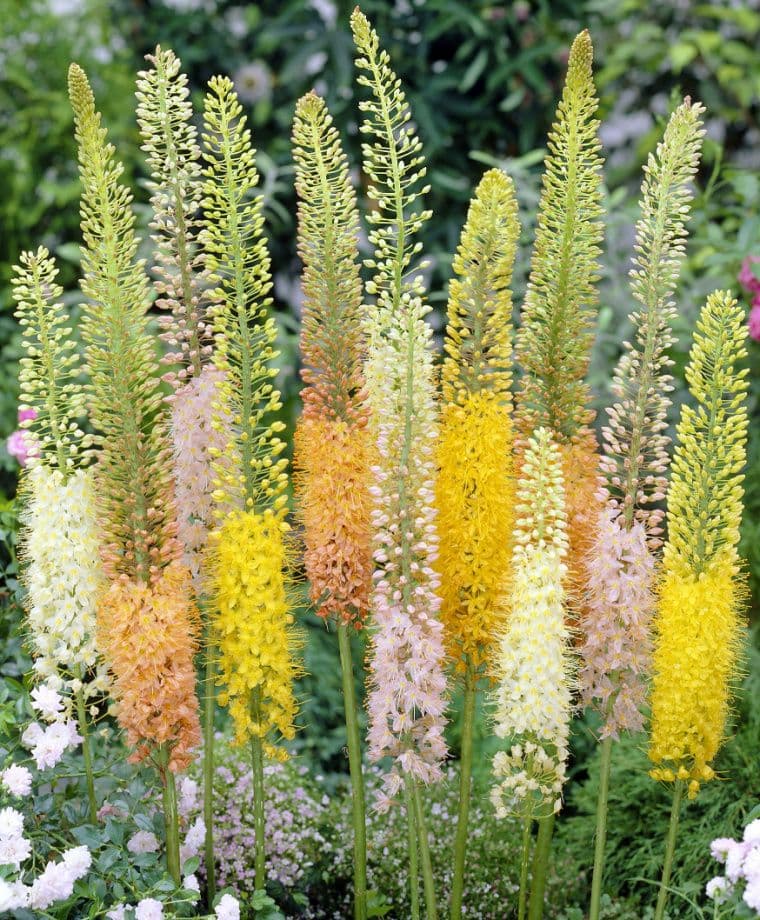
Eremurus spp. — foxtail lily
Perennials (non-bulb)
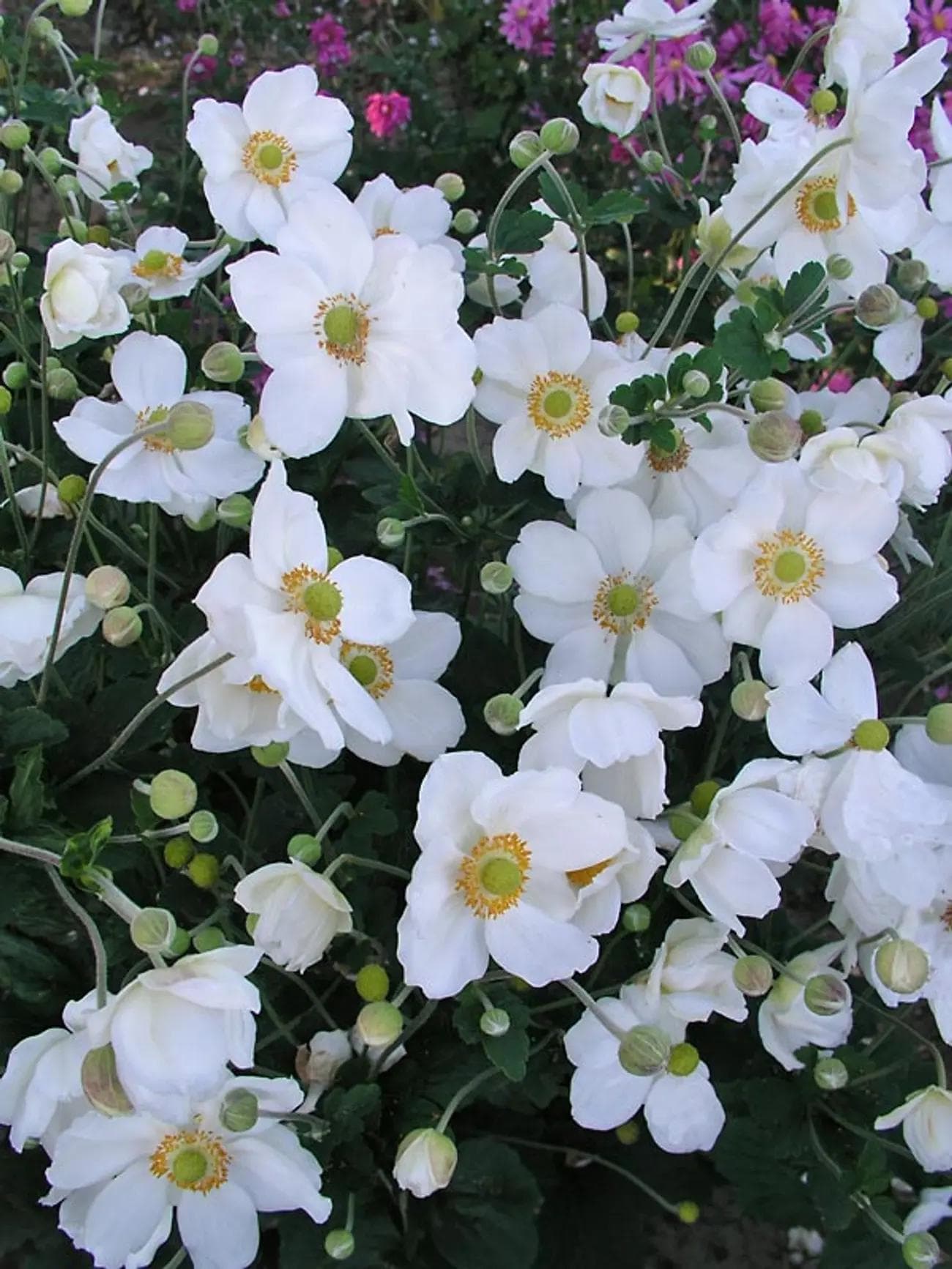
Anemone hupehensis (or Anemone × hybrida group) — Japanese anemone
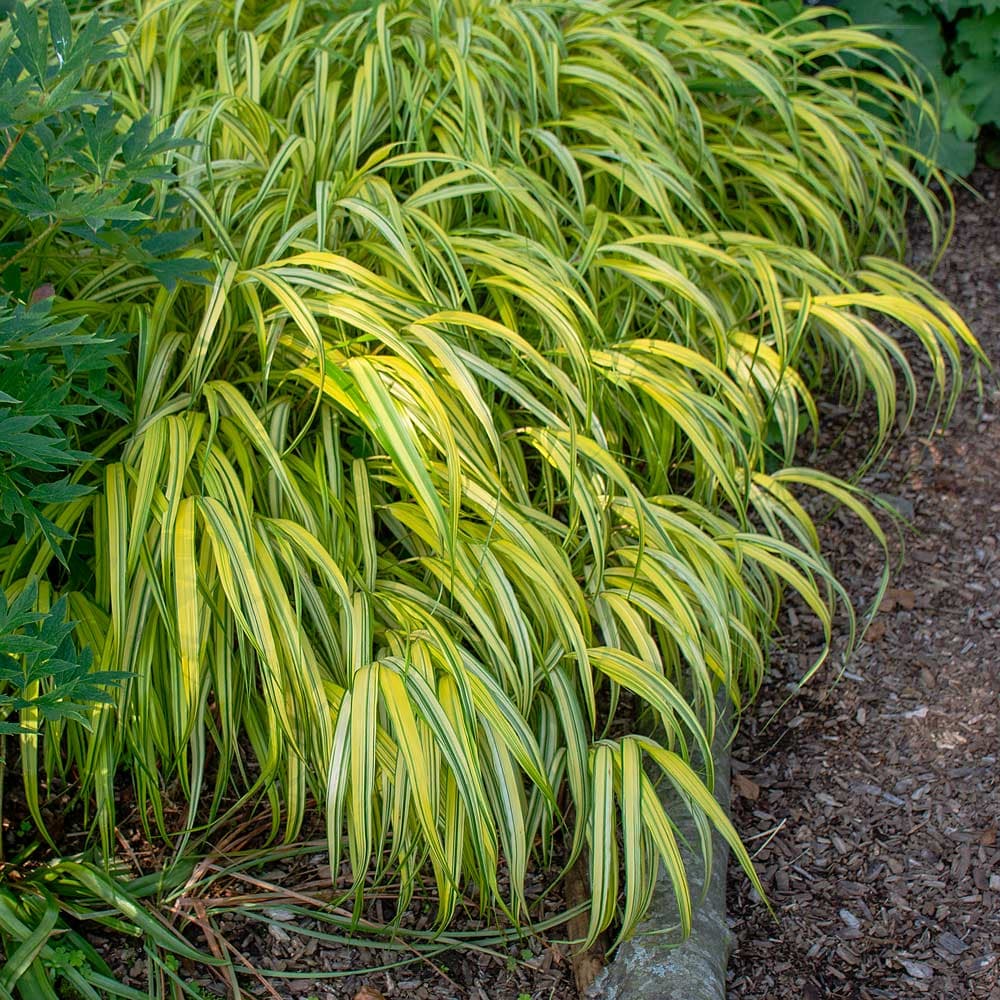
Hakonechloa macra — Japanese forest grass / Hakone grass
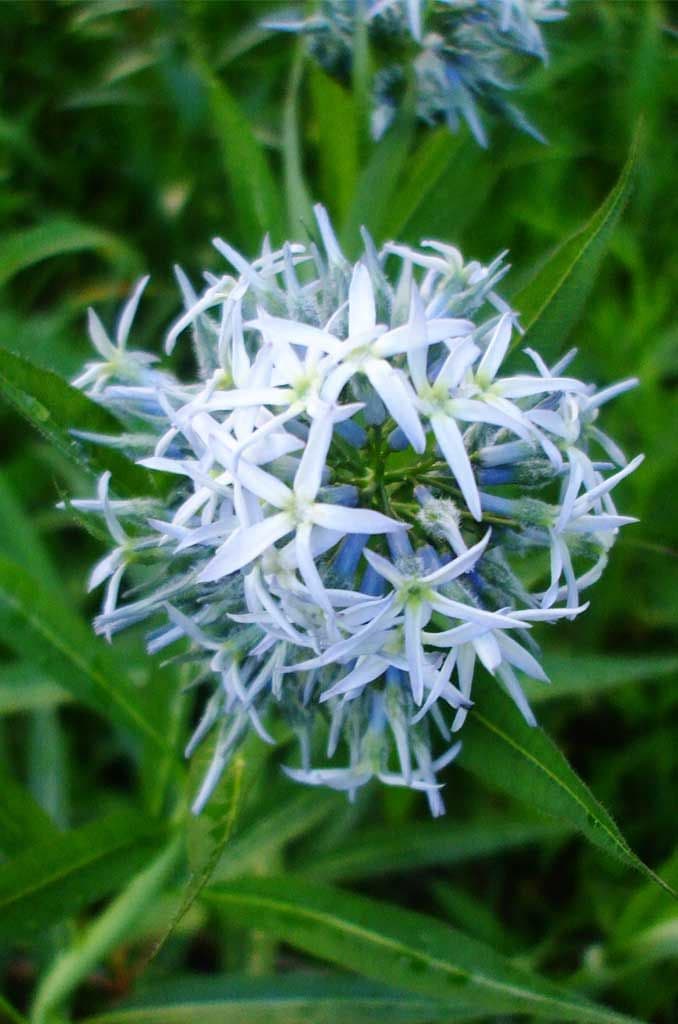
Amsonia spp. — bluestar / amsonia
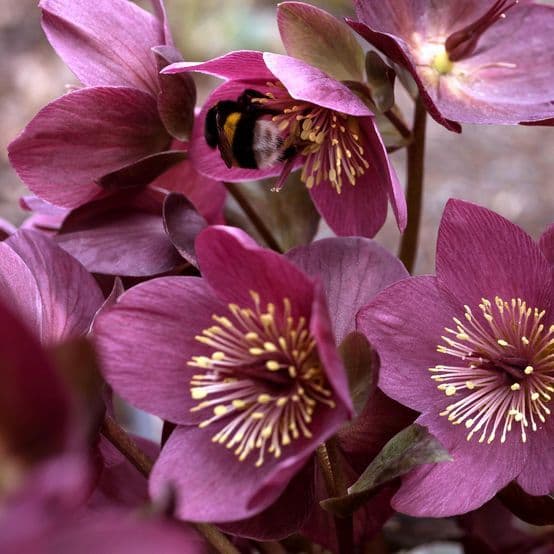
Helleborus spp. — hellebore / Lenten rose
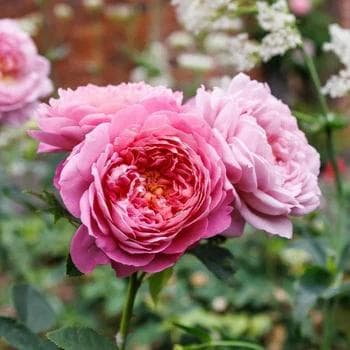
Rosa spp. — rose
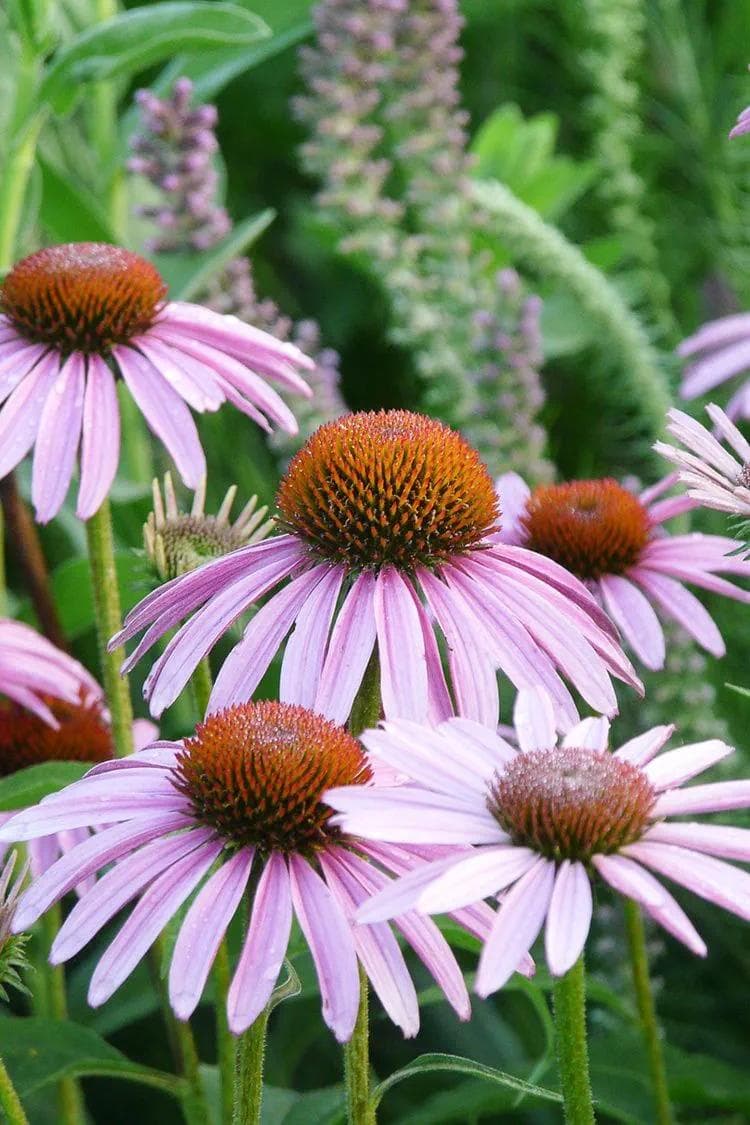
Echinacea spp. — coneflower / echinacea
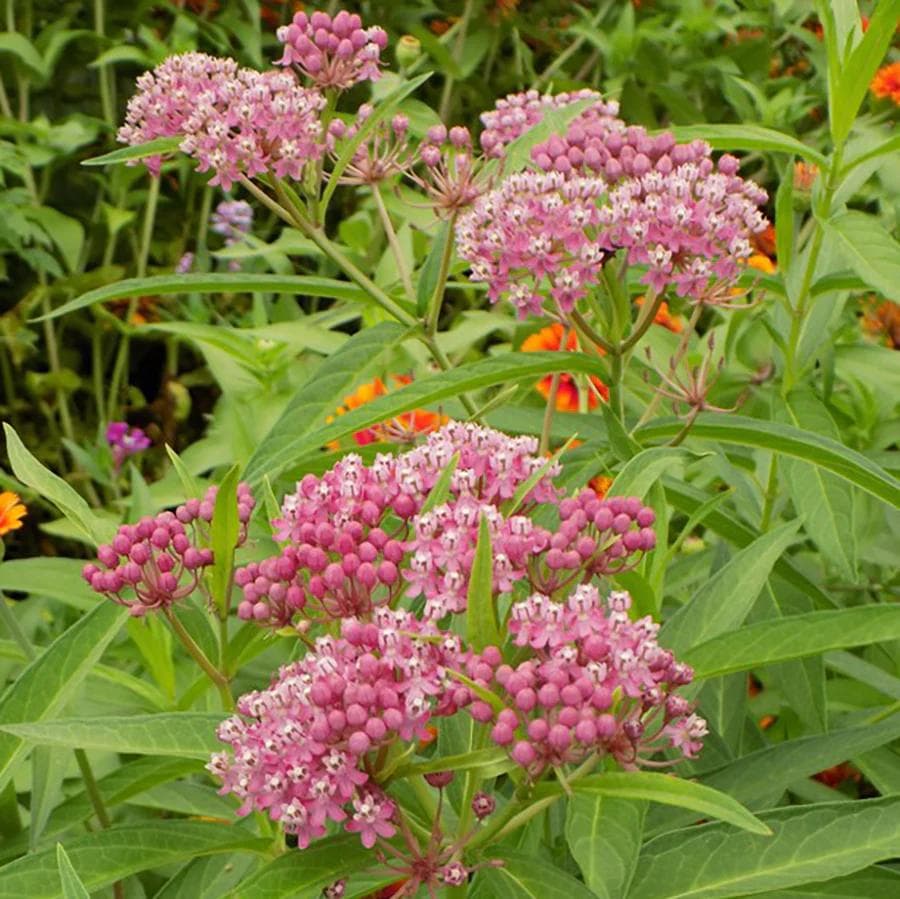
Asclepias spp. — milkweed
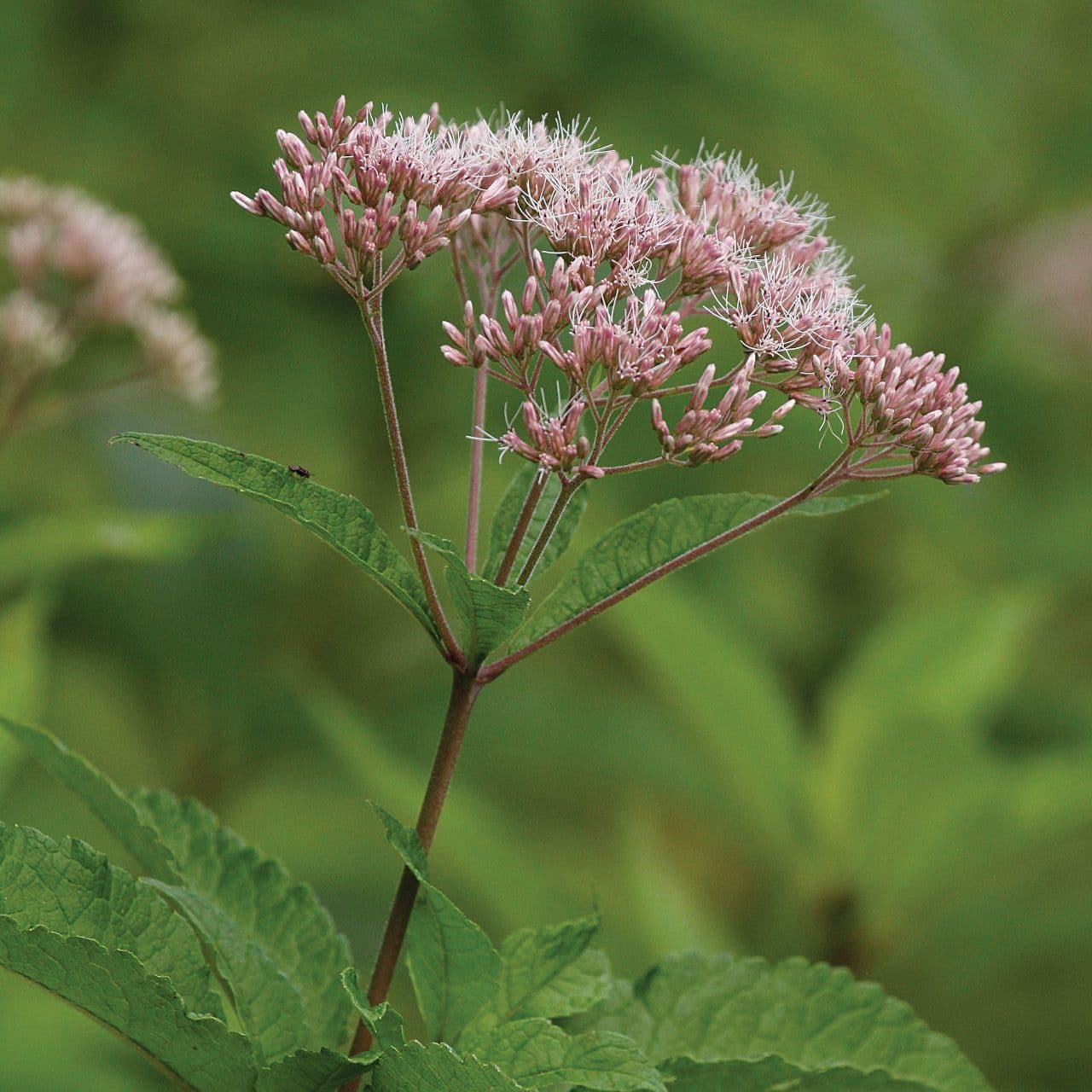
Eutrochium spp. (formerly Eupatorium for many species) — Joe Pye weed
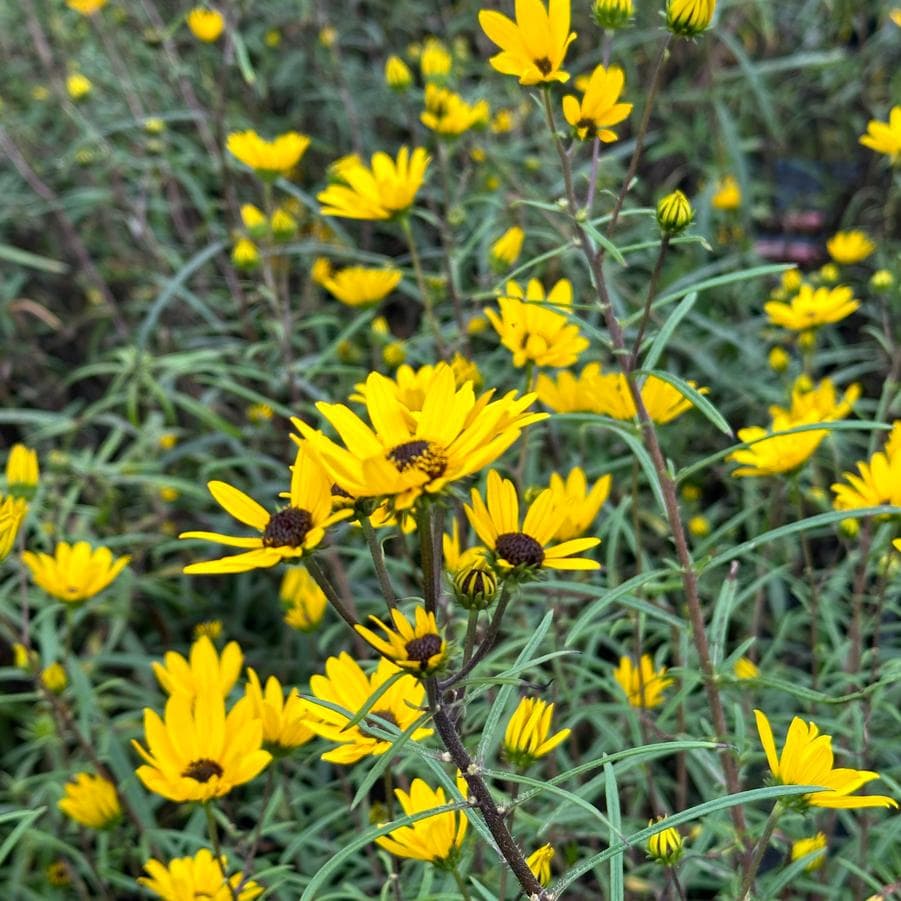
Helianthus angustifolius — swamp sunflower
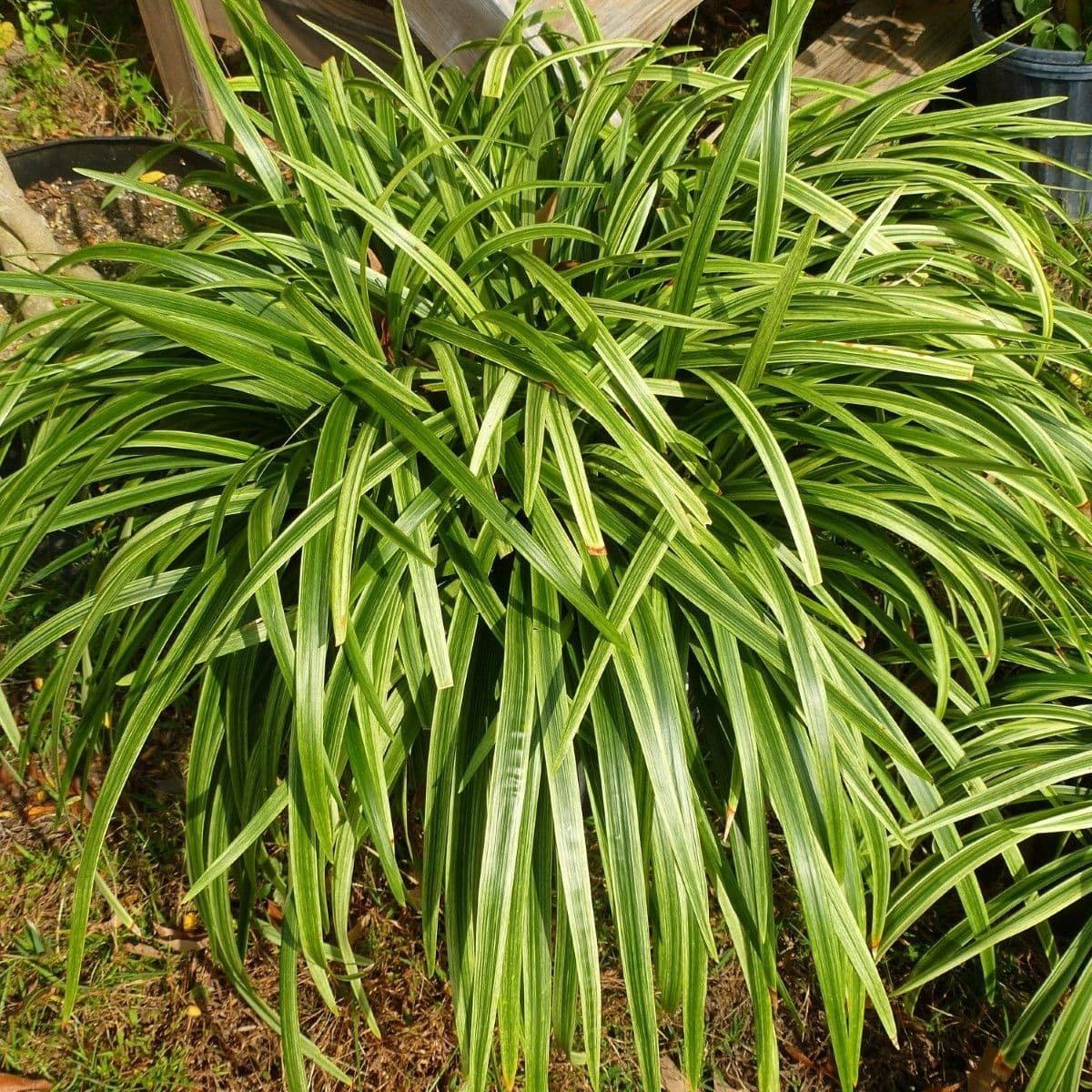
Liriope spp. — lilyturf / liriope
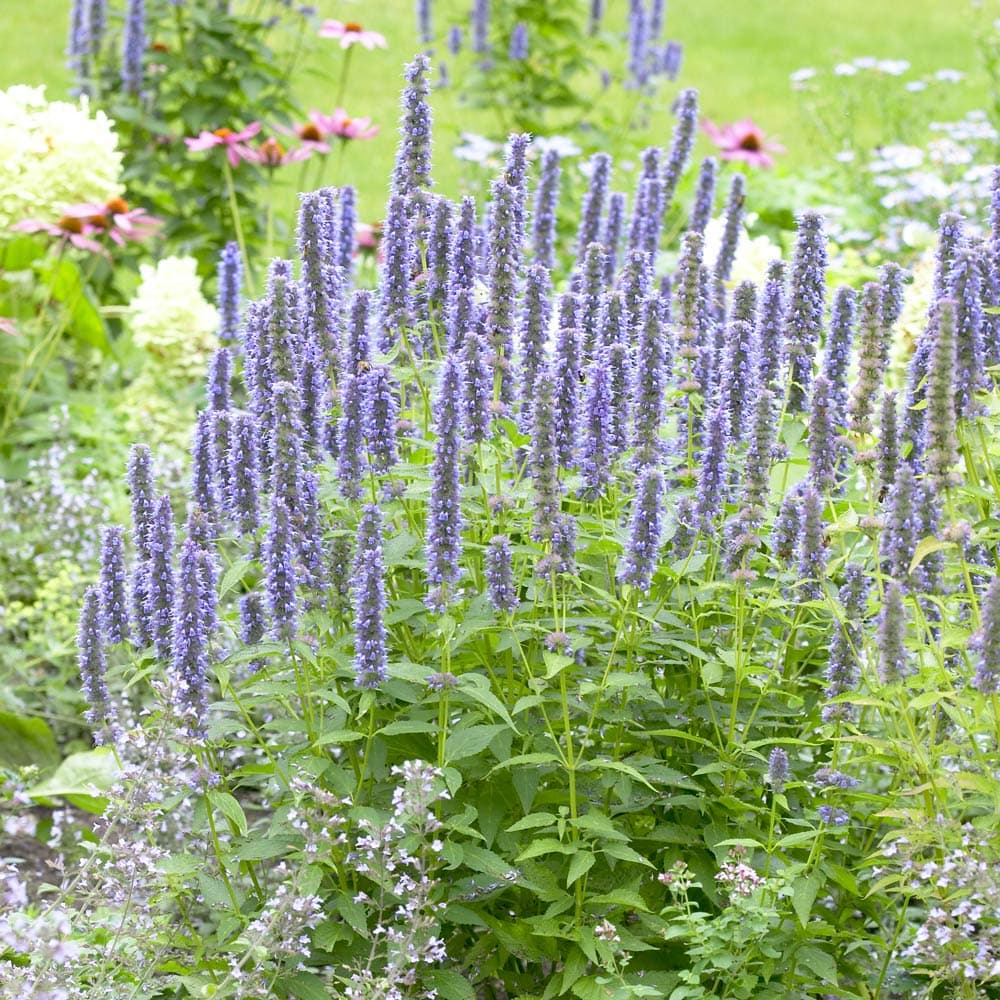
Agastache hybrid — Blue Fortune
Shrubs
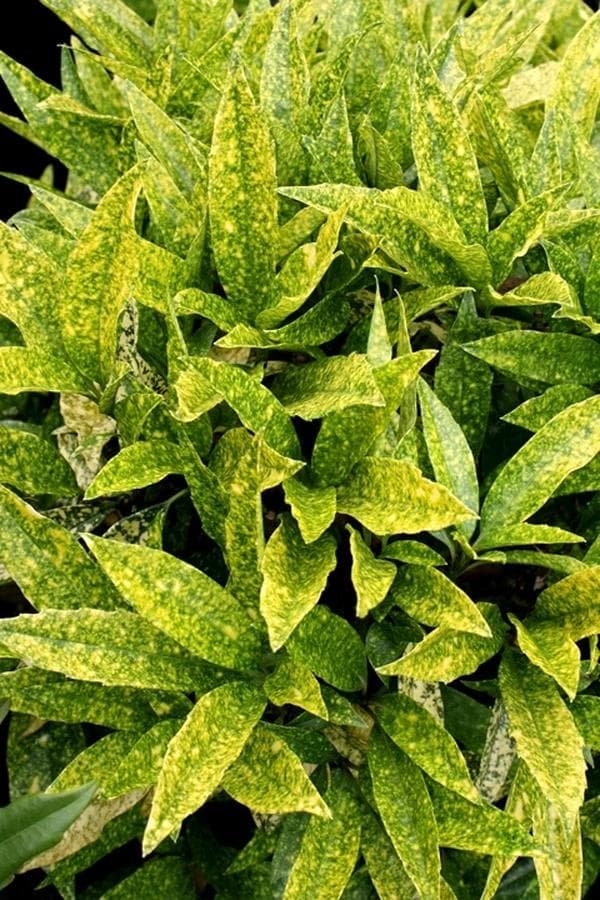
Aucuba japonica — Japanese aucuba / spotted laurel
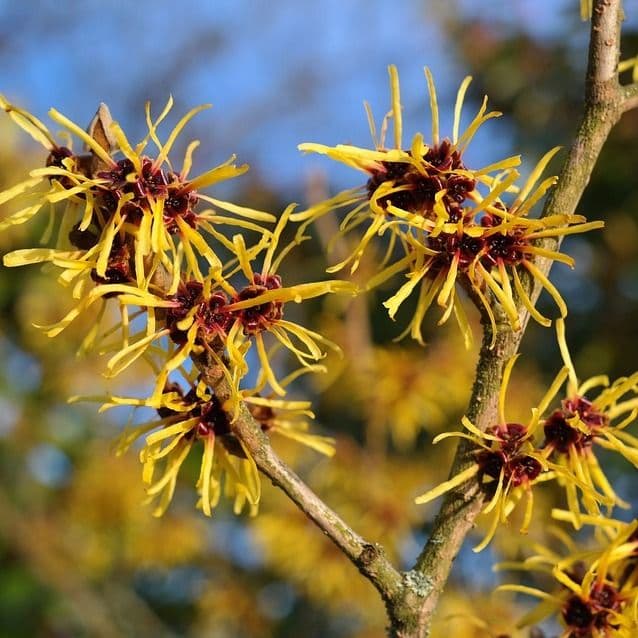
Hamamelis spp. — witch hazel
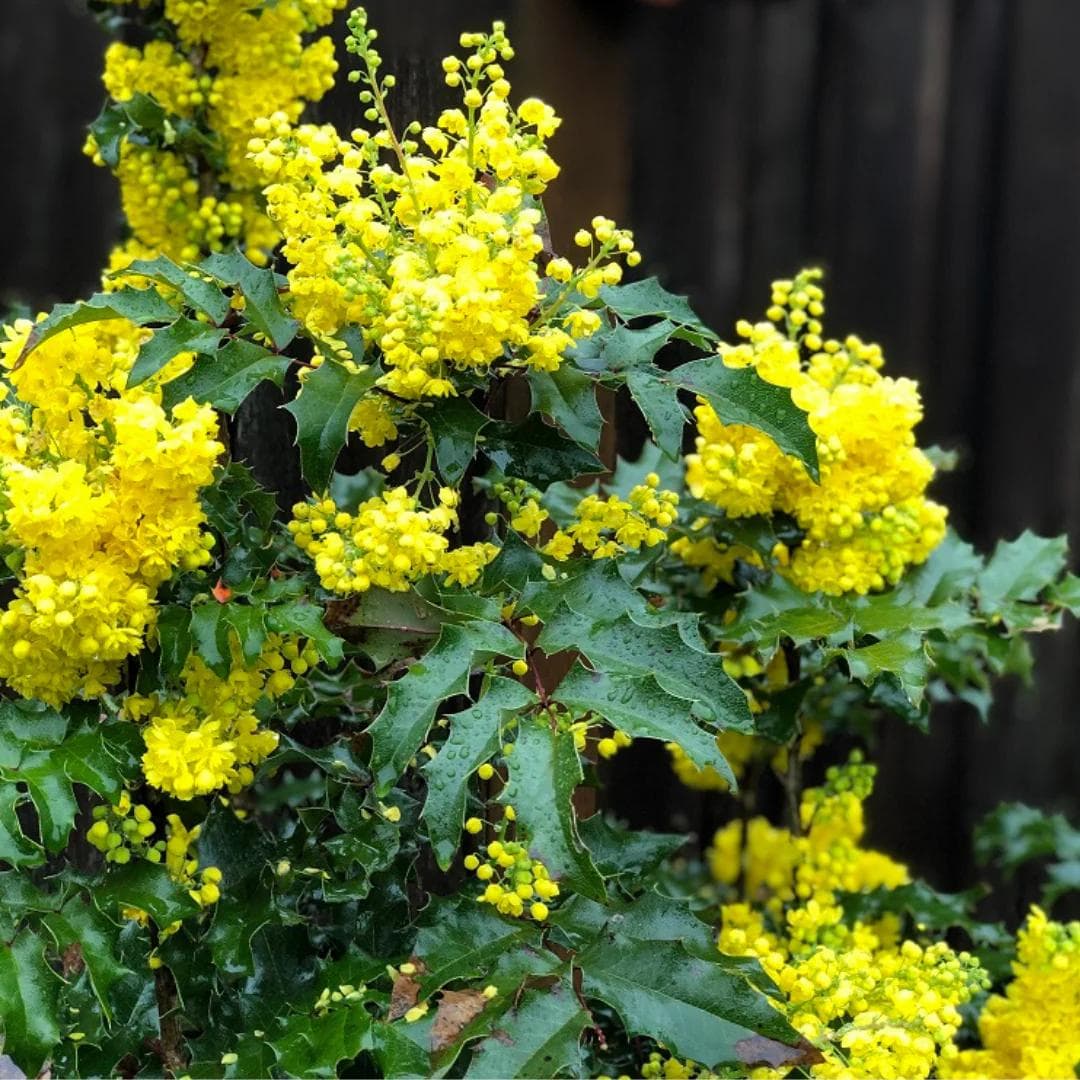
Mahonia spp. — mahonia / Oregon grape-holly
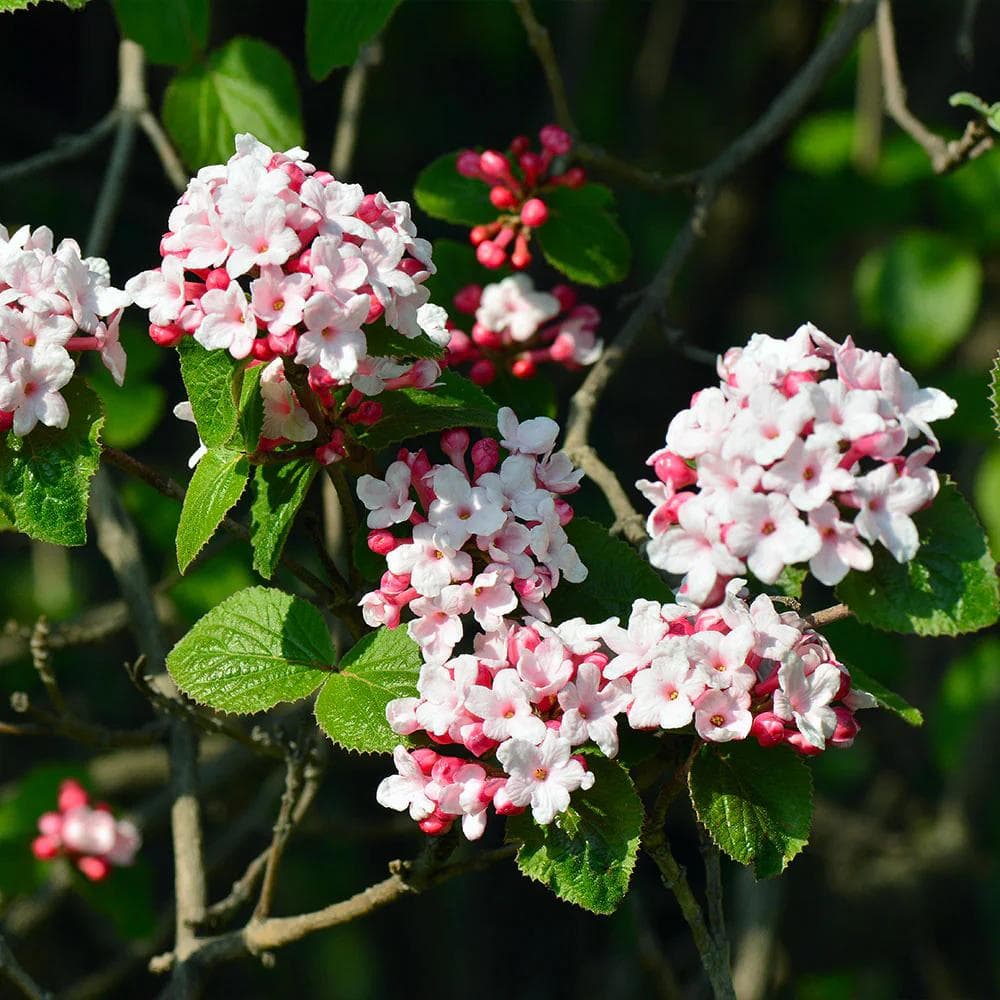
Viburnum carlesii — Korean spice viburnum
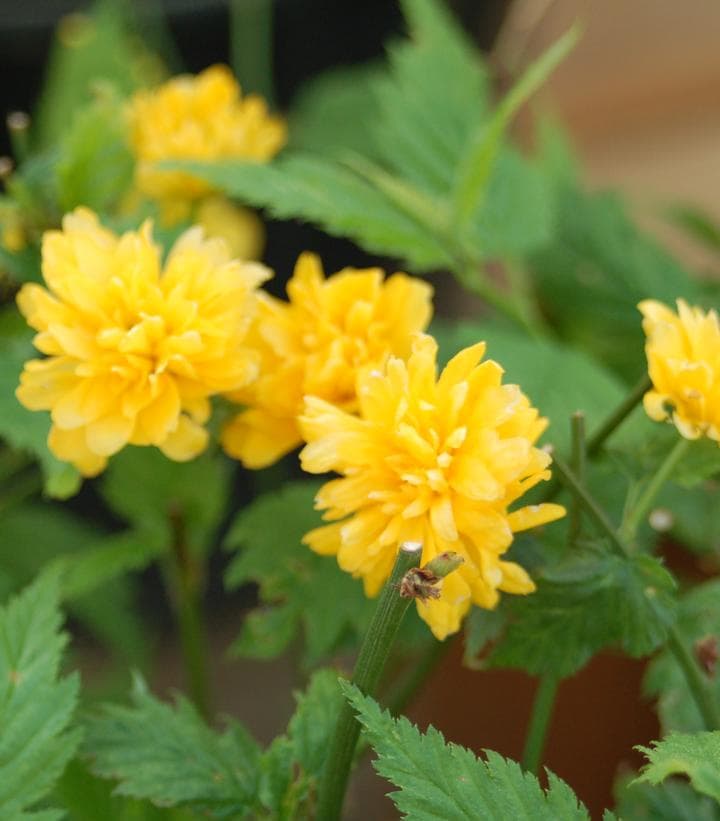
Kerria japonica — Japanese kerria
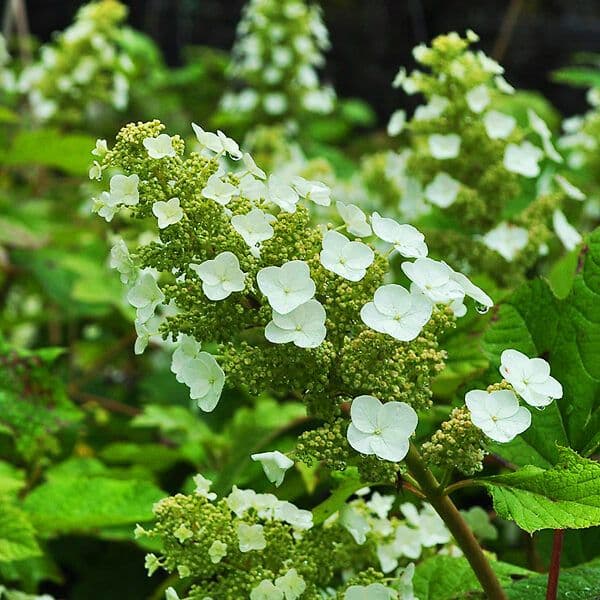
Hydrangea quercifolia — oakleaf hydrangea
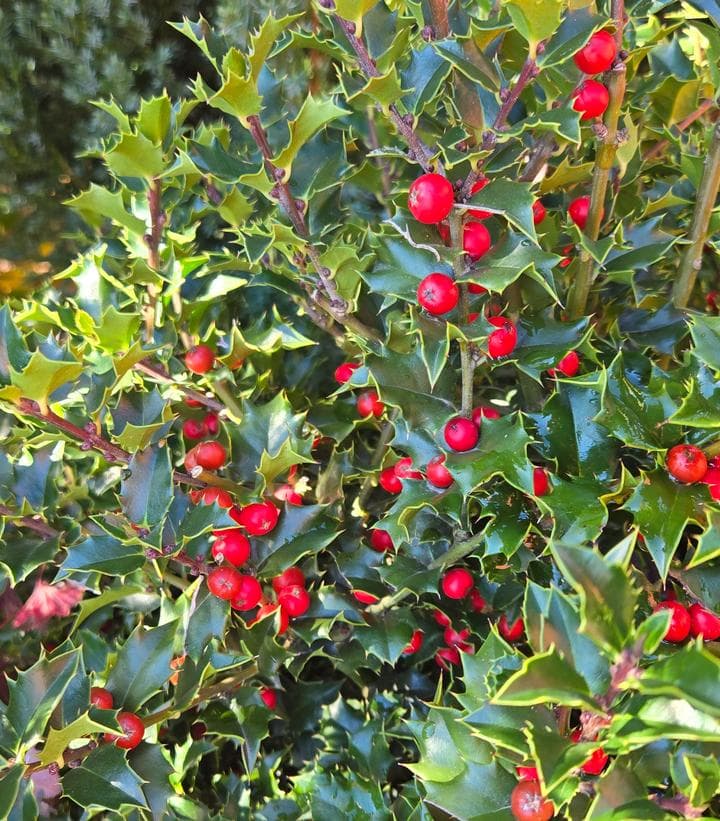
Ilex spp. — holly
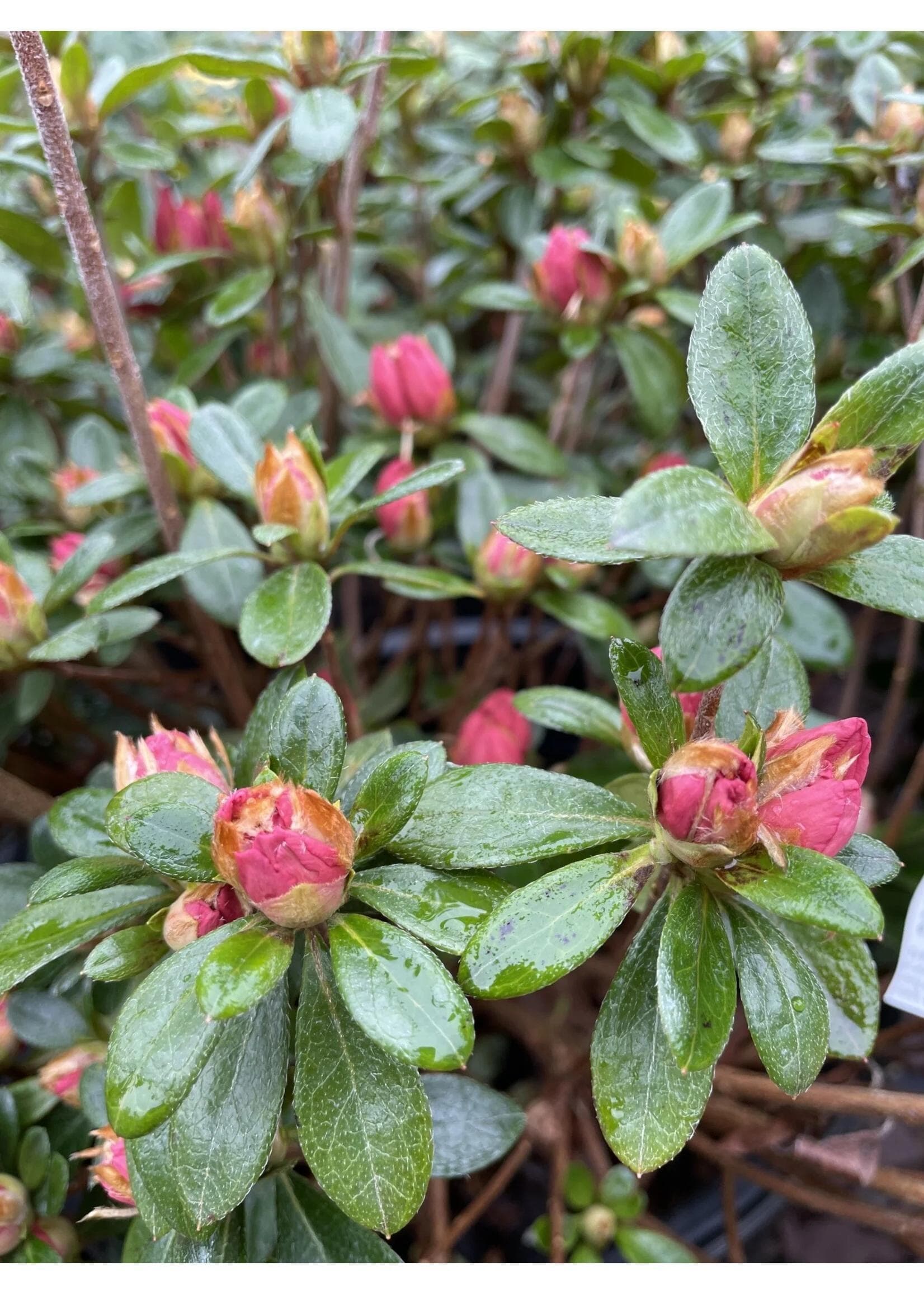
Azalea hybrid— Blaauw’s pink
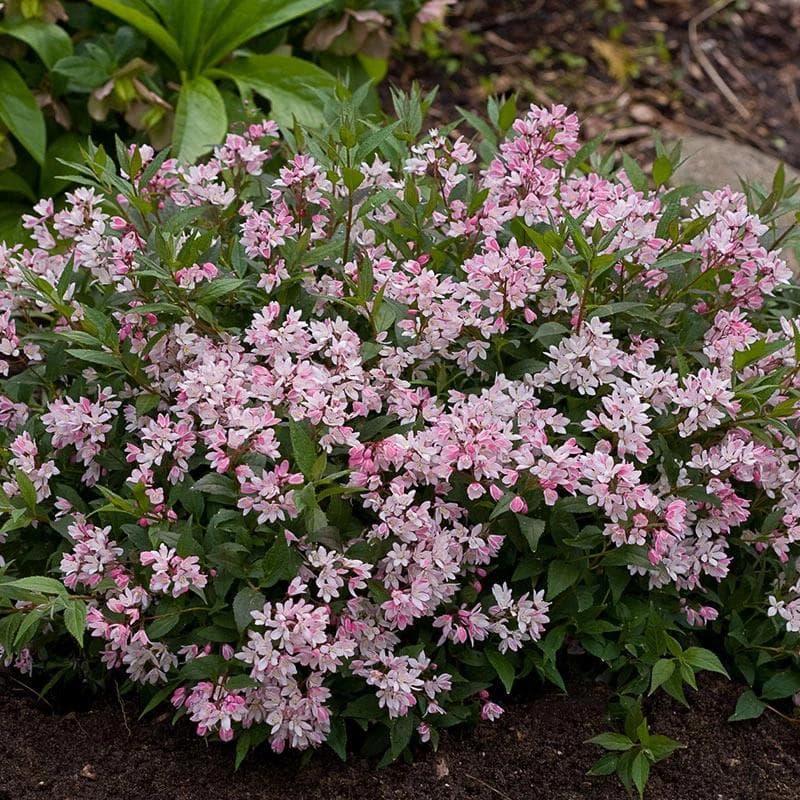
Deutzia hybrid — Yuki Cherry Blossom
Fall
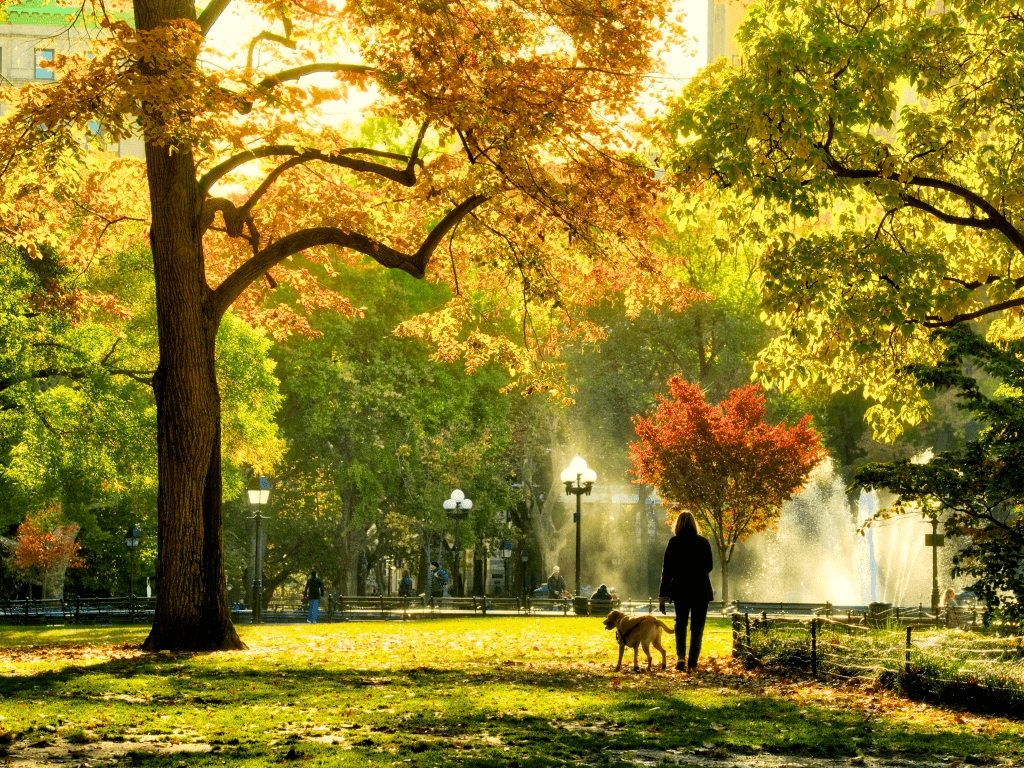
A season of color, fruit, and transition
As summer fades, Washington Square Park shifts into one of its most dramatic seasons. Foliage turns brilliant shades of gold, amber, and crimson as red maples, ginkgos, and katsura trees transform the park’s canopy. Fall also brings quieter blooms, including delicate Japanese anemones and the fragrant flowers of witch hazel (Hamamelis Virginiana), while fruits begin to appear on plants like aucuba and ginkgo, adding another layer of seasonal interest throughout the gardens.
What the horticulture team is focused on
Behind the scenes, fall is a critical season of preparation and renewal. The horticulture team closes select lawn areas for turf restoration: aerating the soil to reduce compaction and spreading our own custom turfgrass seed mix. Bulbs are planted by the hundreds that will burst into bloom the following spring. As temperatures drop, irrigation systems are shut down for the season, and fallen leaves are gathered in a leaf bin for mulching to return nutrients back into the landscape. Shrubs like hydrangeas are carefully pruned to set the stage for healthy growth and more blooms in the year ahead.
Winter
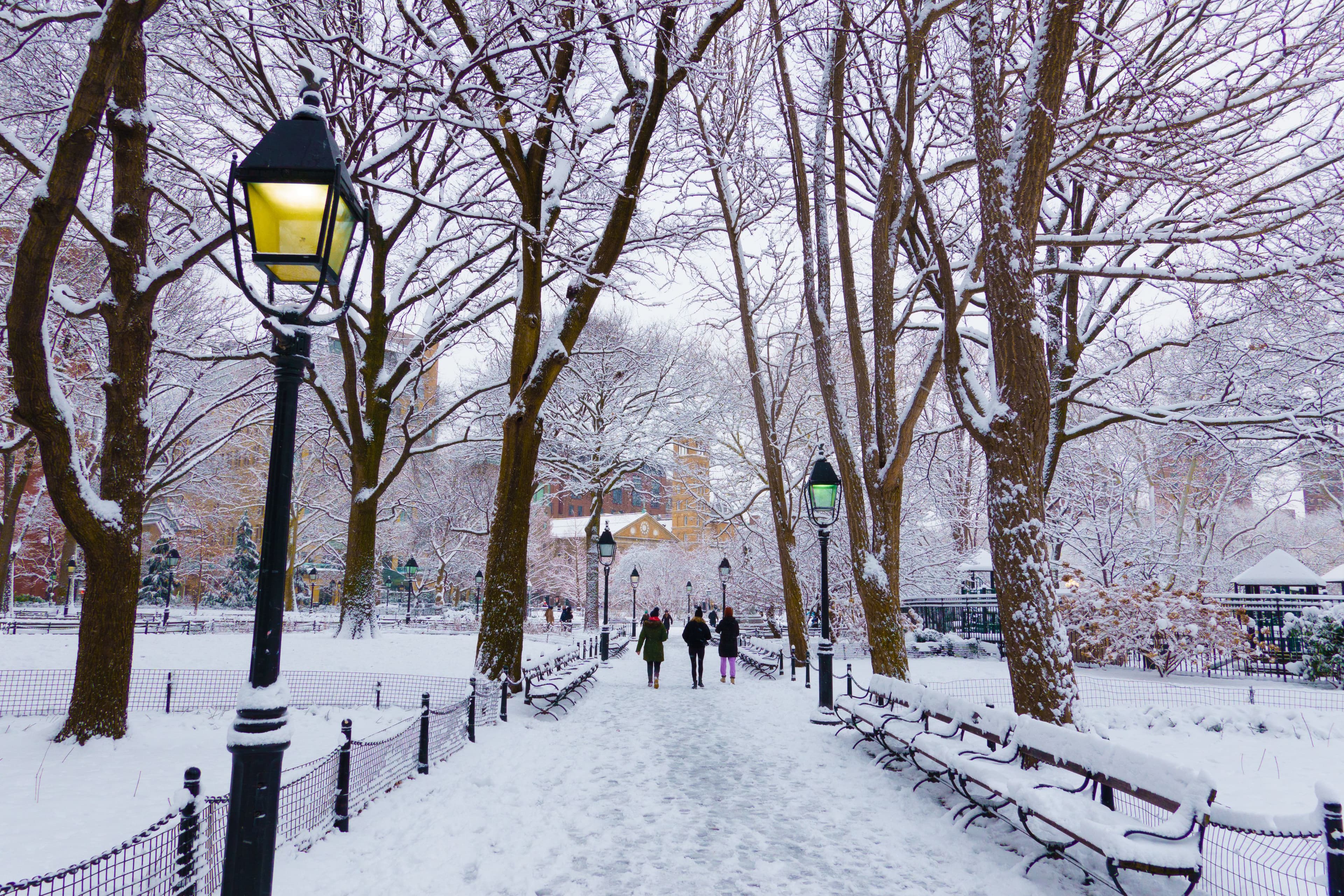
Structure, texture, and subtle beauty
In winter, the park reveals a quieter kind of beauty. Evergreens take center stage, bringing texture and color to the landscape when much of the garden has gone dormant. Grasses like hakonechloa and the seedheads and stems of plants such as amsonia provide subtle winter interest, bringing light and movement through the coldest months. Even in the depths of the season, early blooms begin to emerge: hellebores, snowdrops, and mahonia offer signs of life, while hollies brighten the park with persistent crimsonberries.
What the horticulture team is focused on
The gardens may be dormant, but winter is still an essential season for park stewardship. The horticulture team focuses on structural pruning of trees and shrubs to ensure public safety and improve plant health and long-term form. It is also a time for planning the year ahead: evaluating plant performance, designing seasonal displays, and preparing for spring installations. Repair and maintenance of tools and equipment is also a crucial winter project, ensuring the team is ready to care for the park when the growing season begins again.
Spring
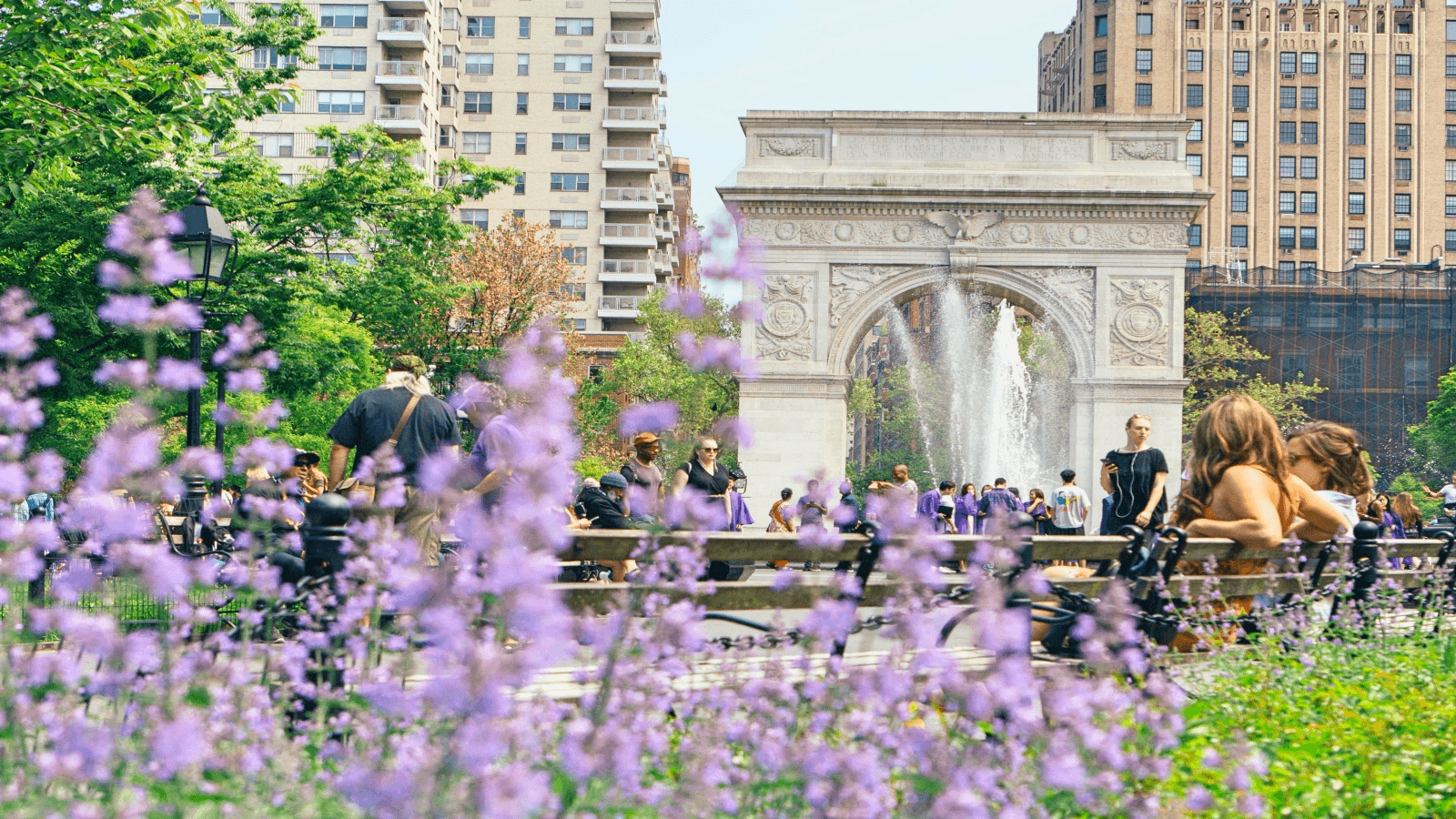
A burst of bloom across the park
Spring is one of Washington Square Park’s most anticipated seasons, when the park erupts with color after winter’s quiet. Since 2016, more than 250,000 bulbs have been planted throughout the park, creating waves of crocus, daffodils, camassia, irises and more across the landscape. Flowering trees and shrubs soon follow: three different varieties of Japanese cherry trees, star and saucer magnolias, crabapples, tree lilac, Korean spice viburnum, and tulip trees bringing blossoms, fragrance, and canopy color to the gardens. As the season progresses, late-spring bloomers like our two catalpa trees begin to emerge, extending the display into early summer.
What the horticulture team is focused on
For the horticulture team, spring is a season of intense activity and transition. Existing perennials are divided to encourage vigor and expand plantings, new perennials are planted, and open lawns receive focused care through seeding and aeration after winter wear. Irrigation systems are turned back on, and the park’s select closed lawns are reopened for use around Memorial Day weekend. Spring is also when seasonal staff and volunteers are trained, building and expanding the knowledge and experience needed to support the park through its busiest months.
Summer
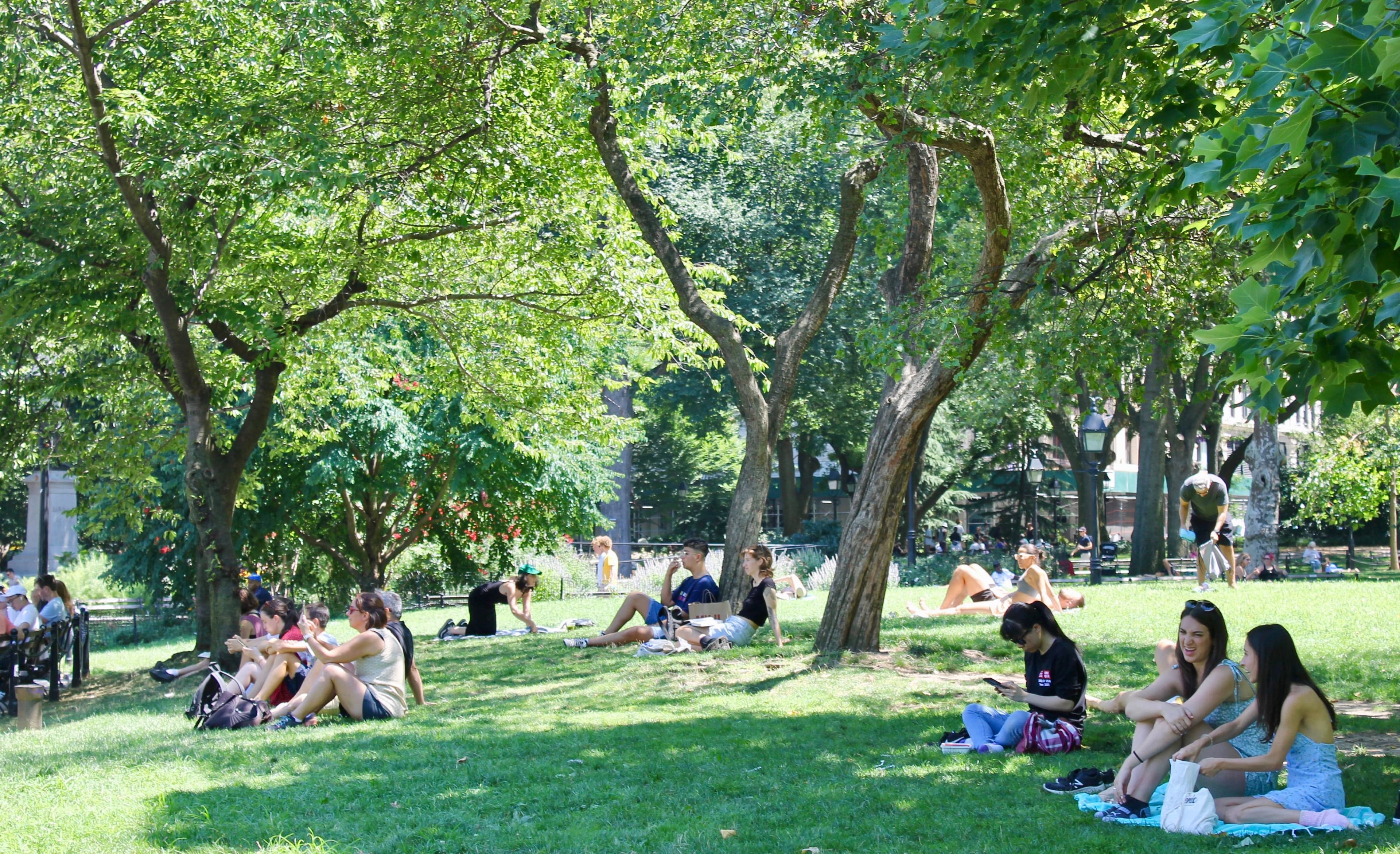
Peak bloom and pollinator season
In summer, Washington Square Park’s gardens are at their fullest – lush, colorful, and buzzing with life. Some of the most dramatic flowers are in bloom: climbing hydrangeas snaking up the park house, softball-sized purple alliums, and waves of fragrant roses. Crepe myrtles and Kerria japonica add bright shocks of crimson and gold, while plants like our sole black mulberry tree and the various liriope cultivars begin to fruit, offering food for wildlife and deepening the richness of the summer landscape. This is the season when the park feels most abundant, with nectar-rich pollinator favorites like echinacea, milkweed, Joe Pye weed, and swamp sunflowers attracting dozens of species of bees, butterflies, and other essential pollinators.
What the horticulture team is focused on
Summer care is about constant, hands-on maintenance. The horticulture team focuses on weeding, deadheading spent blooms, and mowing lawns to keep the park healthy and welcoming during its heaviest season of use. Shrubs such as oakleaf hydrangeas are pruned at the right time to encourage future flowering, while fences and garden edges are replaced and repaired to protect planted areas. With so many visitors enjoying the park, gardeners also closely monitor for trampling and other damage, responding quickly to protect vulnerable lawns and garden beds in this extensively used urban landscape.
Year-Round Stewardship
Caring for Washington Square Park is a year-round effort. Every season brings its own unique wonder, and its own challenges. In a park that welcomes millions of visitors, lawns compact, garden beds erode, and plants face constant pressure from heavy use. At the same time, the demands of a changing climate require new approaches to planting and maintenance, from selecting more resilient species to adapting care practices across the calendar year.
That is why the Washington Square Park Conservancy’s support is so essential. The Conservancy funds the NYC Parks gardeners dedicated to the park, as well as the tools, materials, and horticultural resources they need to do this work. Through daily maintenance, seasonal restoration, thoughtful closures, and long-term planning, the horticulture team helps sustain a healthier, more resilient landscape that can continue to serve as both a beloved public space and a vital urban ecosystem.
Pollinators, Native Plants, and Urban Habitat
Washington Square Park is not only a destination for people, it is also an important habitat in the middle of a dense urban environment. Birds, bees, butterflies, moths, and other pollinators rely on the park’s trees, flowers, seedheads, fruit, even leaf litter and dead wood, for food, shelter, nesting, and seasonal refuge. In a city where green space is limited, even small pockets of habitat make a meaningful difference.
To support urban biodiversity, the park’s horticulture team increasingly incorporates native and climate-adapted plants throughout the park. These species are often better suited to local conditions, more resilient under stress, and more beneficial to pollinators and wildlife. Combined with practices like seasonal lawn closures, mulching, and careful timing of pruning and cleanup, this approach helps the park function as both a vivid landscape and a living ecological resource